Fidgets are helpful—and very popular. They’re a fun way to get the body ready to listen and learn. But what happens when one isn’t handy? During recess, lunch, sports, or at home, a fidget might not be available.
That’s where portable mind-body coping skills come in. These are exactly what the name suggests—skills you can access anytime, anywhere. Your own mind-body connection is a built-in fidget you can use to regulate and refocus.
If you’re a teacher, therapist, or parent using fidgets, also introduce the body-based alternatives. This way, children and teens learn strategies they can use when there are no fidgets available. Add these fidget-free options:
Instead of a squishy toy: Give yourself a hug, squeezing the muscles in your arms to feel more present and connected.
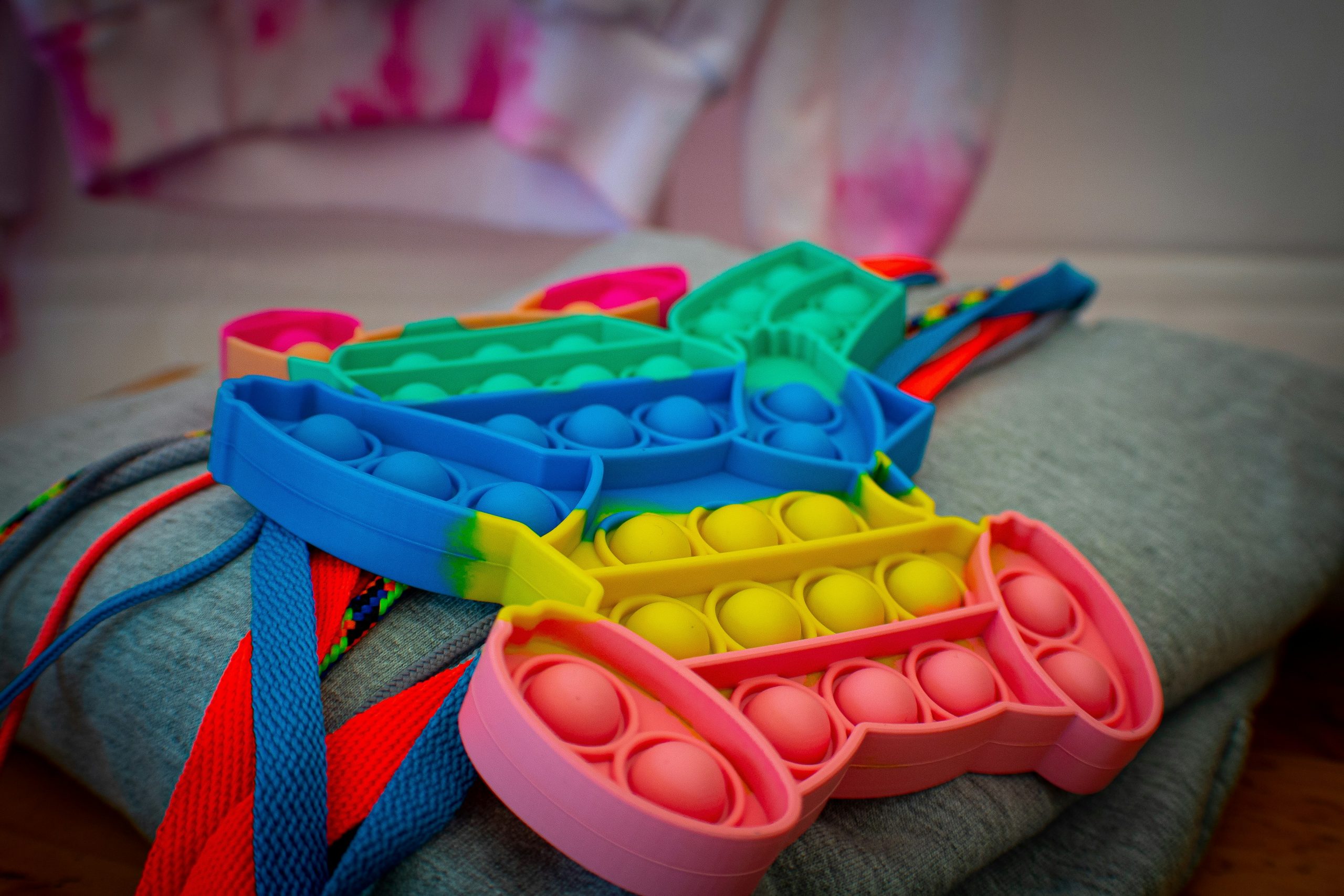
Instead of a sensory popper: Press your fingertips together, one at a time or tap fingertips on your leg or a desk.
Instead of a fidget spinner: Use your index finger to draw a figure eight (or any shape) on your desk, your leg, or in the air while you breathe slowly.
The goal isn’t to replace fidgets, but to expand the toolkit. When you introduce fidgets in safe spaces, regulation stations, or calming corners, invite students to brainstorm: “What can I do when I don’t have my fidget?”
By practicing these portable coping skills, we empower children—and ourselves—to remember that support is always within reach when we strengthen our mind-body connection. We would love to hear from you — so drop a comment on your favorite body-based fidget alternatives.