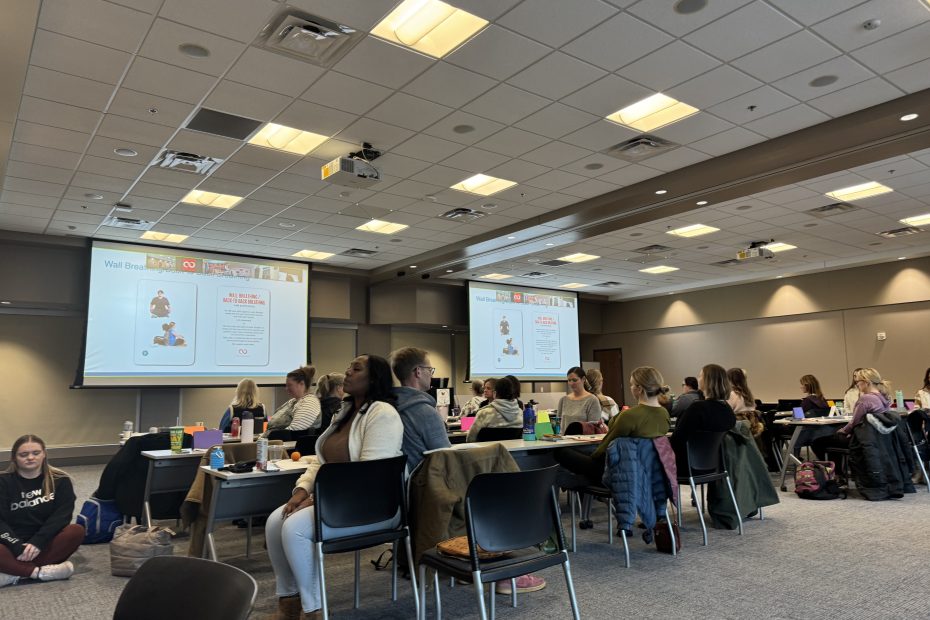
Slow Down to Connect
Make sure to “leave some for yourself” as you move into the school year. Check out these simple tips to prioritize you this fall.
Make sure to “leave some for yourself” as you move into the school year. Check out these simple tips to prioritize you this fall.
Make sure to “leave some for yourself” as you move into the school year. Check out these simple tips to prioritize you this fall.
We are so proud of two Osseo Schools for demonstrating how to make mindful movement part of school culture!

We are so proud of two Osseo Schools for demonstrating how to make mindful movement part of school culture!
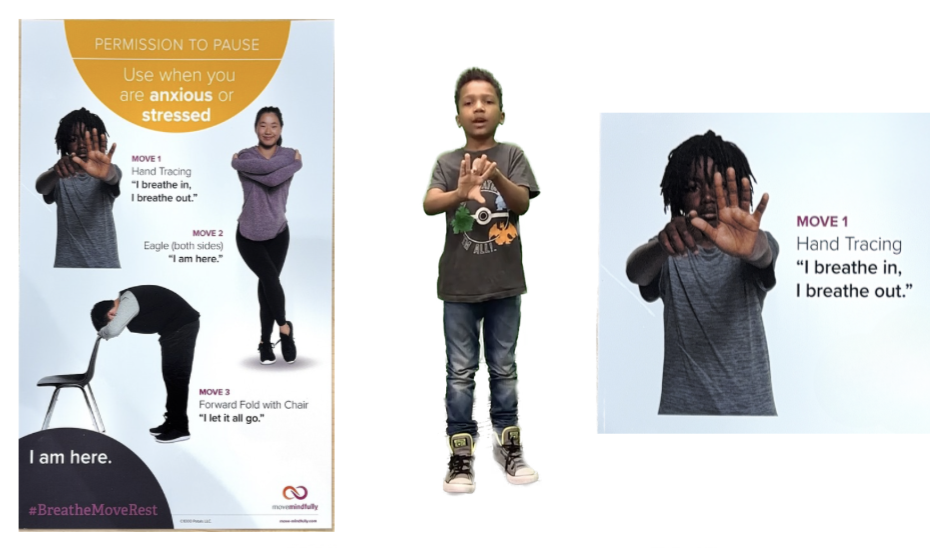
We are so proud of two Osseo Schools for demonstrating how to make mindful movement part of school culture!

It’s mental health awareness month! Build these simple skills into your day…

See what a mind-body coping skills group can look like in the community.

What to do when you are worried people will refuse to try mindful movement.

What to do when you are worried people will refuse to try mindful movement.
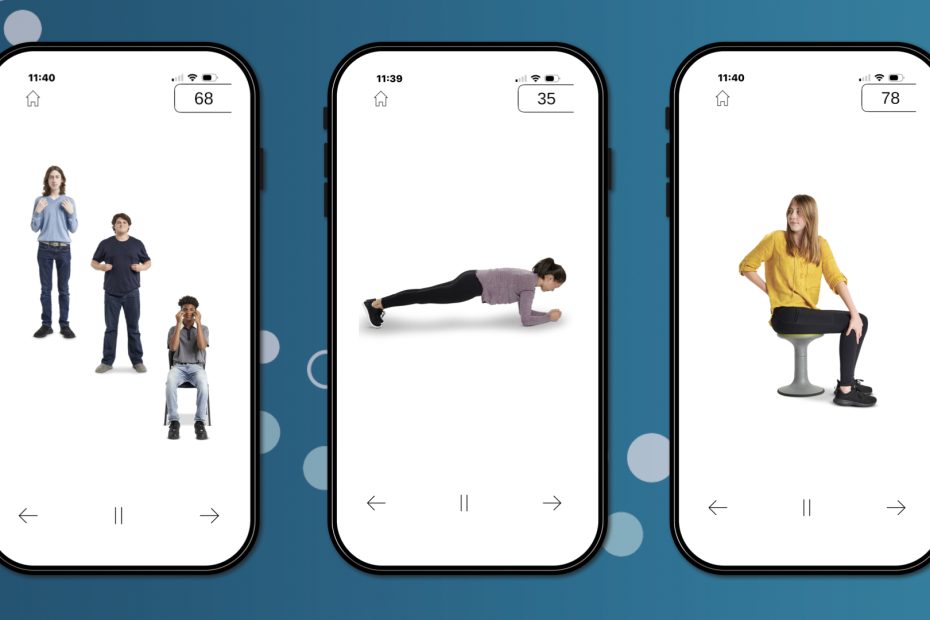
Try these three simple moves to balance energy, build strength, and support overall well-being this spring!